
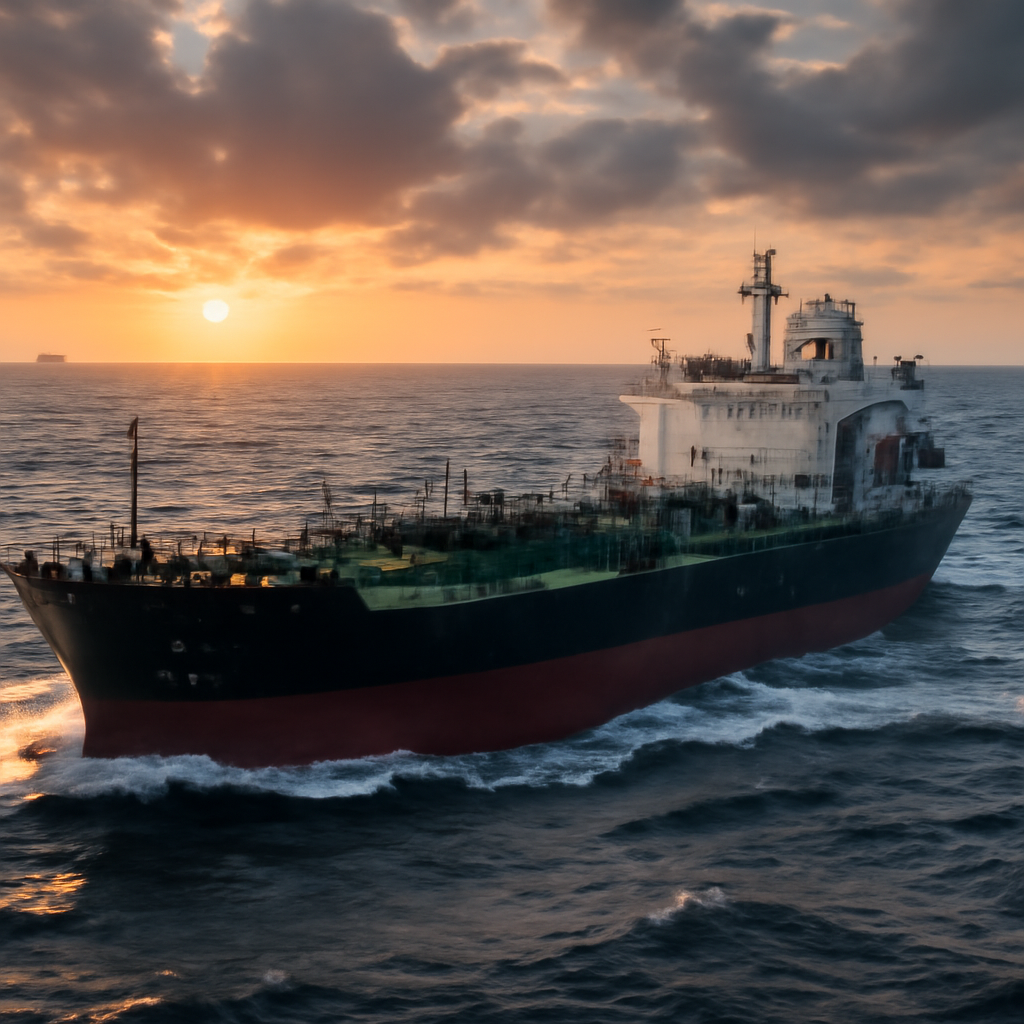
indian tanker ships passing through the Strait of Hormuz are once again at the center of global trade attention as regional tensions, shipping advisories and oil market volatility shape decisions for importers, refiners and vessel operators. For India, which depends heavily on crude imports from the Gulf, safe movement through this narrow sea lane is not just a shipping issue but a broader energy security concern with direct implications for fuel prices, refinery planning and supply chain resilience.
The Strait of Hormuz connects major crude exporting producers in the Gulf to international markets and remains one of the most strategically important chokepoints in the world. A large share of seaborne oil and petroleum products moves through this route, making every security development relevant to Asian buyers. Indian refiners source significant volumes from countries in the Middle East, so any disruption, delay or heightened risk in the area can quickly affect voyage schedules, freight rates and cargo economics.
Why indian tanker ships in Hormuz matter for India
India’s energy demand continues to expand alongside industrial activity, transport growth and rising consumption. That makes stable crude deliveries critical for both public and private refiners. When tanker transits through Hormuz remain smooth, Indian buyers can maintain regular procurement cycles and better manage inventory. But if the route faces military escalation, temporary navigation warnings or insurance pressure, costs can rise even without a full supply interruption. In practical terms, India watches this corridor because a short-lived regional shock can still influence landed crude prices and domestic fuel expectations.
Recent developments in maritime monitoring and naval coordination have helped keep commercial traffic moving, but shipping companies remain cautious. Operators often review routes, transit timings, crew safety protocols and onboard reporting procedures before entering higher-risk waters. In periods of uncertainty, charterers may prefer additional security coordination or seek more flexible freight terms. These operational choices can appear technical, yet they have a measurable effect on trade expenses and delivery confidence for import-dependent economies such as India.
Latest news context around Strait of Hormuz transit
The latest news cycle has focused on whether commercial vessels, including indian tanker ships, can continue transiting without major interruption despite regional friction. Market indicators suggest that trade flows have largely continued, but shipowners, insurers and oil buyers are pricing in elevated caution. This means that even when cargoes move normally, the market may react through higher war-risk premiums, more expensive charter rates and tighter vessel availability for certain voyages. Analysts are therefore tracking not only physical disruption, but also the cost of perceived risk.
For Indian stakeholders, the important signal is that continuity of passage does not automatically mean normal business conditions. Refiners may diversify cargo timing, maintain buffer stocks or adjust sourcing mixes if Gulf shipments face uncertainty. Financial markets also tend to respond quickly to headlines tied to Hormuz, which can influence crude benchmarks and refining margins. As a result, the latest shipping developments are being assessed alongside broader energy strategy rather than as isolated maritime news.
indian tanker ships and freight cost pressure
Freight markets are highly sensitive to security conditions in narrow transit corridors. If tanker owners perceive greater risk, they may demand higher returns for voyages touching the Gulf. Insurance providers can also revise premiums, especially for war-risk cover, and these additional costs are frequently passed down the chain. For Indian crude buyers, this can make some cargoes less competitive compared with alternative supplies from other regions. However, replacing Gulf barrels is not always easy because refinery configurations, voyage times and contract structures matter.
Another factor is scheduling efficiency. Delays at loading terminals, convoy coordination, rerouting or slower sailing speeds can affect vessel turnaround. This reduces fleet efficiency and may tighten tanker availability just when demand remains strong. The result is often a broader rise in shipping costs, not only for one cargo but across multiple fixtures. In a market where margins can shift quickly, such changes matter for refiners planning procurement weeks in advance.
How indian tanker ships affect oil supply planning
India has spent years broadening its crude sourcing base, adding supplies from the United States, Russia, Africa and Latin America. Even so, the Middle East remains crucial because of geography, established trade relationships and refinery suitability. If Hormuz faces prolonged uncertainty, Indian buyers may respond through a mix of tactics: increasing stock cover, staggering purchases, balancing spot and term cargoes, or raising imports from alternative origins where commercially viable. These moves help reduce exposure, but they can involve longer voyages and different freight economics.
Strategic planning also extends beyond crude. Product tankers, LPG cargoes and petrochemical feedstocks linked to the Gulf can be affected by the same risk environment. That broadens the potential economic impact, especially if multiple energy commodities experience higher transport costs at the same time. For policymakers, the key issue is ensuring that temporary maritime stress does not turn into a domestic supply concern. This is why port readiness, refinery inventory management and international coordination are so important during sensitive periods.
Security, naval presence and shipping advisories
Commercial shipping in the region is supported by constant monitoring, naval patrols and updated maritime advisories. Tanker operators typically receive guidance on reporting positions, maintaining communication discipline and following best-practice security measures. While these systems cannot remove all risk, they improve situational awareness and help vessels navigate periods of tension with greater confidence. For Indian shipping interests, continued coordination between vessel owners, charterers, flag authorities and naval agencies is an essential part of maintaining trade flow.
Crew welfare is another major consideration. Seafarers operating in high-alert zones face stress, schedule changes and stricter onboard procedures. Companies increasingly factor human safety into voyage decisions, especially when the news flow is volatile. This matters because a tanker is not merely a cargo platform; it is a complex operating environment where safety, compliance and commercial urgency must be balanced carefully. In that sense, the discussion about Hormuz is as much about maritime management as it is about geopolitics.
Market outlook for indian tanker ships in coming weeks
The near-term outlook depends on whether regional tensions cool, stay contained or escalate into incidents that directly affect merchant traffic. If passage remains open and no major disruption occurs, markets may gradually normalize, though some risk premium could stay embedded in freight and insurance. If there are fresh incidents, even isolated ones, buyers may become more defensive and shipping costs could rise faster. Indian refiners are therefore likely to keep monitoring vessel movement, inventory cover and procurement optionality very closely.
From a trade perspective, the most realistic expectation is cautious continuity. Gulf oil is too important to global markets for shipping stakeholders to ignore practical workarounds and security support mechanisms. At the same time, every new alert from the region reminds importers that concentration risk in key sea lanes remains a structural vulnerability. For India, that reinforces the long-term case for diversified supply, strategic reserves and flexible energy logistics while still relying on Gulf trade as a core pillar.
What businesses and readers should watch next
In the days ahead, the most useful indicators will be tanker traffic patterns, insurer pricing trends, charter rate movements and official maritime advisories. Readers should also watch how crude benchmarks react to regional headlines and whether Indian refiners signal any change in sourcing behavior. If transit remains steady, the story may shift from disruption risk to cost management. If warning levels intensify, attention will quickly turn to supply buffers and policy preparedness. Either way, the movement of indian tanker ships through the Strait of Hormuz will remain a critical barometer for trade confidence, oil market stability and India’s near-term energy security.
Leave a Reply