
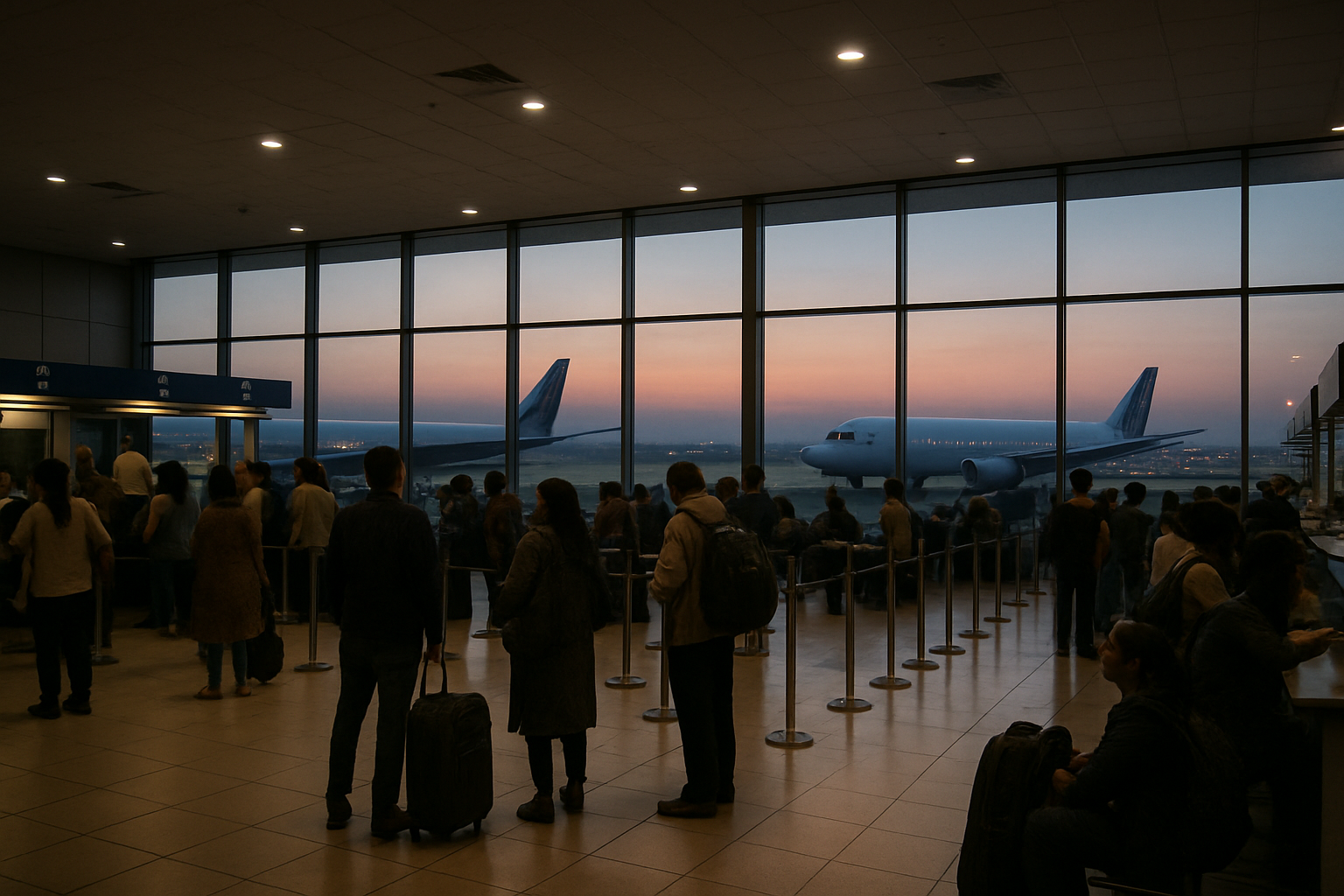
Flight cancellations by IndiGo and Air India for March 15 have added another layer of uncertainty for passengers traveling between India and key Gulf destinations. For travelers, the immediate issue is not only whether a particular flight is operating, but how quickly airlines can rebook affected passengers, recover schedules, and restore confidence. For the wider market, this moment highlights how tightly stretched Gulf-bound traffic can become when even a limited round of cancellations hits already busy international corridors.
The significance of these cancellations goes beyond a single day of disruption. India-Gulf air links are among the most important short- to medium-haul international routes for workers, families, business travelers, and time-sensitive visitors. When schedules are cut at short notice, the impact spreads quickly across airport operations, onward connections, hotel bookings, airport transfers, and work commitments. The result is a form of travel chaos that feels larger than the list of affected flights, because every delayed decision creates additional pressure elsewhere in the journey.
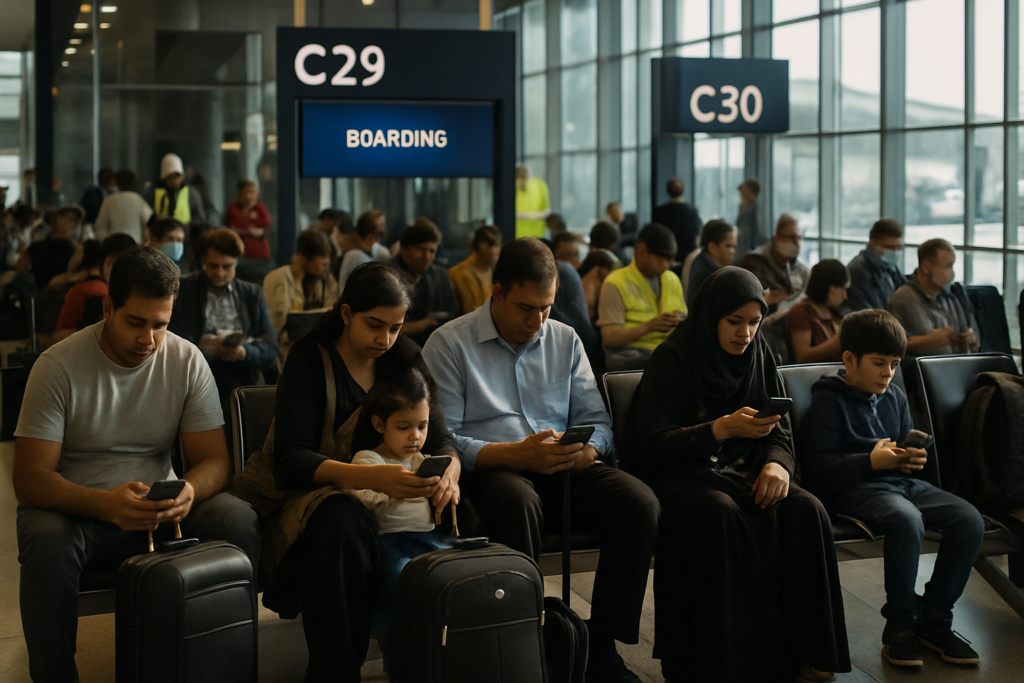
analysis gulf travel chaos: why these cancellations matter
At the center of this episode is the practical reality of modern airline scheduling. Aircraft rotations are tightly planned, crews have regulated duty limits, and airports in the Gulf and India often operate under constrained peak windows. If an airline removes flights from the system, even temporarily, travelers lose flexibility at the exact moment they need it most. Some passengers may be moved to later departures, while others may have to accept alternative routings, longer waiting times, or changes in destination timing that affect visas, meetings, or family plans.
What makes this especially disruptive is the nature of Gulf travel demand. Many passengers on these routes are not leisure travelers with flexible itineraries. They may be returning to work, traveling for urgent family reasons, or coordinating with employers and sponsors. That means a cancellation is rarely just an inconvenience. It can create financial strain, missed obligations, and a scramble for accommodation or transport. Even when airlines offer standard recovery options, the real-world cost of disruption often extends beyond the ticket itself.
analysis gulf travel chaos and the pressure on rebooking
Rebooking becomes the key test of airline resilience in moments like this. Passengers generally want three things: clear communication, quick alternatives, and assurance that they will not be left to navigate the fallout alone. Yet rebooking capacity can be limited when multiple flights are affected and nearby departures are already carrying strong loads. That can lead to a chain reaction in which customer support lines lengthen, airport service desks become crowded, and passengers refresh apps and email inboxes waiting for confirmed updates.
How passengers are likely to feel the disruption first
- Uncertainty over whether the cancellation is final or subject to further schedule revision.
- Difficulty securing preferred alternate dates or departure times.
- Risk of missing onward flights, work reporting dates, or family events.
- Added spending on local transport, meals, or short-notice accommodation.
- Stress caused by limited real-time information during busy travel periods.
For IndiGo and Air India, the public challenge is not simply operational recovery but communication quality. In disruption scenarios, travelers pay close attention to consistency across airline apps, websites, airport announcements, and support agents. If one channel suggests a flight is canceled while another appears unchanged, trust erodes quickly. In a competitive travel market, passengers often remember the handling of a disruption more vividly than the original booking experience.
What this says about India-Gulf aviation networks
This episode also underlines the structural importance of India-Gulf connectivity. These routes connect labor mobility, family life, trade activity, tourism, and regional business movement. Because demand is so regular and often time-sensitive, cancellations can expose just how little slack exists during busy periods. Even when the cause of disruption is temporary, the network effect is immediate: airport queues change, seat availability tightens, and fares on remaining options may come under pressure as displaced travelers search for alternatives.
There is also a broader lesson for travelers and airlines alike. For passengers, dependence on a single timing-sensitive itinerary can be risky, especially on heavily used corridors. For airlines, schedule reliability on these routes carries reputational weight far beyond one operating day. The carriers involved may restore operations quickly, but the perception of instability can linger if customers believe contingency planning was insufficient or updates were too slow. In that sense, Gulf travel chaos is not only about cancellations; it is about the confidence gap they create.
Practical steps travelers should consider now
- Check booking status directly through the airline and avoid relying on third-party screenshots or outdated messages.
- Review fare rules, refund eligibility, and rebooking options before going to the airport.
- Keep documents, alternate contact details, and essential receipts ready in case support claims are needed later.
- If an onward journey is involved, inform hotels, employers, or connecting carriers as early as possible.
- Monitor official airline advisories for schedule restoration rather than assuming normal service has resumed.
analysis gulf travel chaos: the bigger takeaway
The deeper takeaway from the March 15 cancellations is that airline disruption on Gulf routes is rarely isolated. The visible event may be one canceled departure, but the real story is a web of missed connections, compressed rebooking capacity, and traveler anxiety spreading across two highly interdependent regions. IndiGo and Air India now face the familiar but crucial task of restoring service while demonstrating that affected passengers are being handled fairly, transparently, and efficiently.
In the near term, travelers should expect continued caution, closely watch official updates, and build extra flexibility into Gulf itineraries where possible. In the longer term, this moment serves as a reminder that reliability is one of the most valuable products any airline can offer on high-frequency international routes. When that reliability weakens, even briefly, the disruption travels much farther than the aircraft that never took off.
Leave a Reply