
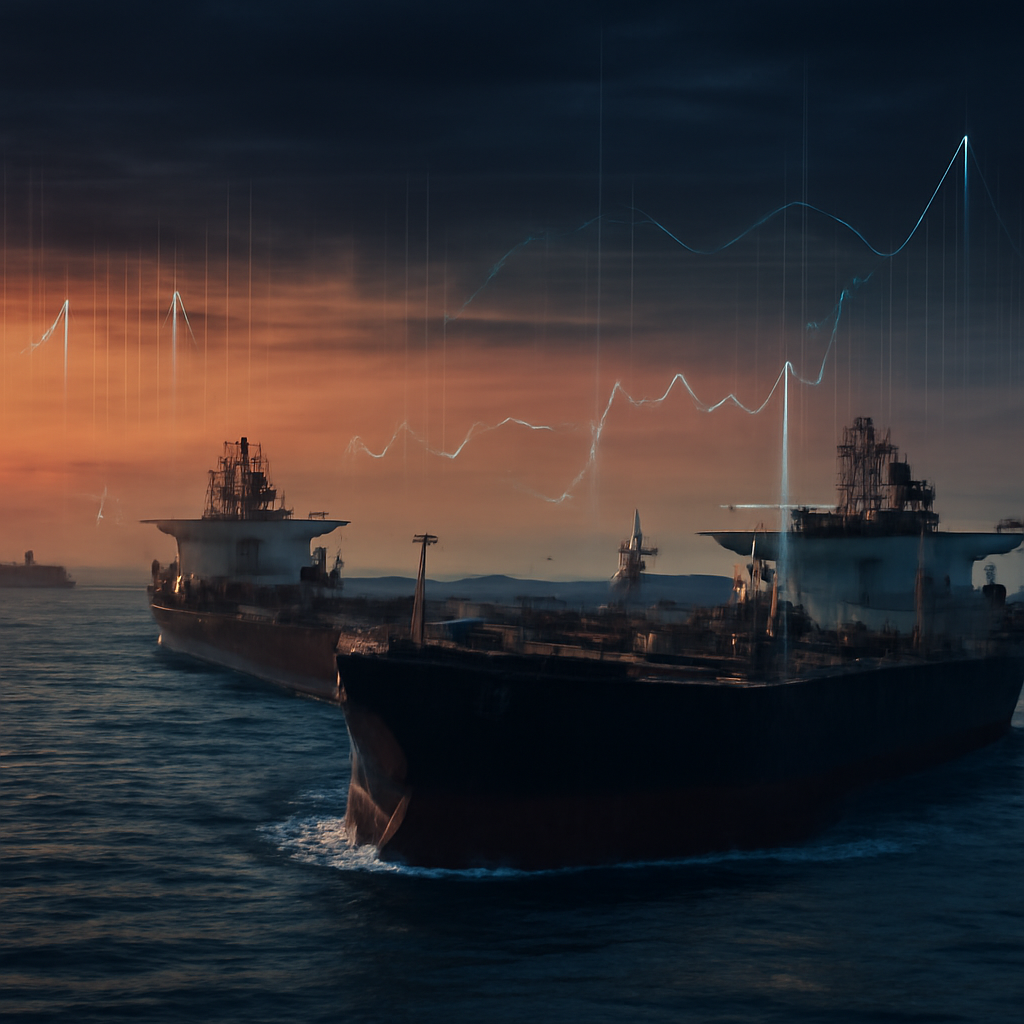
strait of hormuz war-risk pricing has moved from a specialist marine-insurance concern to a global economic story. As tensions around shipping lanes, missile threats, drone attacks, seizures, and possible military escalation rise, insurers and reinsurers are recalculating the cost of sending tankers, LNG carriers, and container ships through one of the world’s most important energy chokepoints. The result is not just a higher insurance bill. It is a broader repricing of risk that can affect freight markets, oil prices, cargo contracts, and even inflation expectations.
The Strait of Hormuz sits between the Persian Gulf and the Gulf of Oman, and a large share of the world’s seaborne crude and petroleum products passes through it. When underwriters start treating the corridor less like a normal commercial route and more like a potential conflict zone, they adjust war-risk premiums, hull coverage assumptions, cargo terms, and security requirements very quickly. Recent market reporting has shown shipowners facing sharply higher quotes for voyages linked to the area, especially where intelligence suggests elevated danger from state or proxy military activity.
Why strait of hormuz premiums are rising now
Insurance companies do not wait for a formal declaration of war before repricing exposure. They respond to probability and severity. If the perceived odds of missile strikes, drone incidents, naval interception, electronic interference, or port disruption increase, war-risk committees can reclassify an area and impose new rating guidance almost overnight. In the current environment, underwriters are watching military deployments, retaliatory threats, shipping advisories, and vessel tracking data with unusual intensity.
Another reason premiums are rising is speed. Marine insurance is one of the few financial products that can be repriced on a voyage-by-voyage basis. A tanker fixing a cargo today may face a very different insurance cost from a similar vessel that sailed a week earlier. This creates a market where daily headlines, naval warnings, and security bulletins feed directly into the price of trade. In periods of acute tension, additional premiums can jump several times over normal levels, especially for high-value tankers or ships linked to sensitive cargoes and nationalities.
How strait of hormuz war-risk insurance actually works
Standard marine policies do not treat war, terrorism, sabotage, or hostile acts the same way they treat ordinary navigation hazards. Shipowners typically buy separate war-risk cover for the hull and machinery of the vessel, while cargo interests may secure their own protection. The key pricing tool is the additional premium, often quoted as a percentage of the ship’s insured value for entering a listed area. For very large crude carriers, even a small percentage change can mean a very large dollar increase per transit.
Underwriters also look beyond the vessel itself. They assess crew nationality, ownership structure, flag, management quality, route timing, naval escort options, communications discipline, and compliance with security protocols. If a ship is considered more exposed, poorly prepared, or politically sensitive, the quote can rise further. Reinsurers then pass their own risk appetite down the chain, making the final price more expensive and sometimes harder to obtain at all.
strait of hormuz listed areas and underwriting triggers
In marine markets, designated high-risk zones matter because they activate special notice requirements and allow war-risk underwriters to charge additional premiums. Triggers for repricing can include direct attacks on merchant shipping, evidence of mines, GPS jamming, drone activity near shipping lanes, hostile boarding incidents, or official guidance from naval coalitions and trade associations. Even near misses can move the market, because insurers price potential accumulation losses across multiple ships, ports, and cargoes.
The immediate impact on tanker owners and charterers
For shipowners, a higher war-risk bill cuts voyage profitability unless the cost can be passed on. Charterers, meanwhile, have to decide whether to absorb that increase, negotiate a different route, delay loading, or seek contractual protection. In tanker markets, these choices quickly feed into freight rates. A route that becomes more dangerous may still operate, but only at a price that reflects not just fuel and vessel supply, but conflict exposure. That means insurance is becoming a visible part of freight economics again.
Some charter parties already include clauses that let owners refuse especially dangerous voyages or recover extraordinary insurance costs. In a fast-moving crisis, these clauses become commercially important. Traders and refiners may also pay more for prompt cargoes if shipping capacity tightens because some owners avoid the region altogether. That dynamic can ripple into crude benchmarks, refined product prices, and LNG delivery schedules.
What this means for oil, gas, and consumer prices
The Strait of Hormuz matters because it is not a niche route. It is central to the export system for major Gulf producers. If insurers attach a sustained conflict premium to each transit, the effect compounds across millions of barrels and vast volumes of gas. Not every extra insurance dollar shows up immediately at the pump, but persistent higher shipping and security costs can support firmer energy prices worldwide, especially if combined with rerouting, delays, or reduced vessel availability.
Importing nations and commodity buyers are therefore watching insurance markets as closely as they watch military statements. War-risk costs can act as an early warning signal. They tell the market that private capital sees a meaningful chance of disruption, even if physical flows have not yet been interrupted. In that sense, insurers are not just pricing risk; they are broadcasting a commercial judgment about geopolitical danger.
Why container lines and non-oil cargo are not immune
Although headlines often focus on crude tankers, the repricing problem extends beyond oil. Container carriers, chemical tankers, LPG vessels, bulk ships, and support craft can all face higher premiums if they enter exposed waters or call at nearby ports. Supply chains for manufactured goods, industrial inputs, and food ingredients may therefore feel secondary effects. A company that does not buy oil from the Gulf can still face higher logistics costs if shipping schedules are disrupted or insurers tighten terms on regional voyages.
How insurers decide whether a route is a de facto war zone
Insurance companies rarely use dramatic language lightly, but pricing can effectively label a route as war-zone exposure without an official legal declaration. The decision is based on intelligence gathering, claims history, security analysis, sanctions compliance, and accumulation modeling. If a single incident could cause losses across several vessels or trigger environmental and liability claims, underwriters demand compensation for that tail risk. In practice, that is how a strategic chokepoint becomes priced like a war zone.
- Higher additional premiums for each transit through listed waters
- Shorter quote validity because risk levels can change within hours
- Tighter conditions on crew safety, reporting, and voyage planning
- Greater scrutiny from reinsurers and compliance teams
- More negotiation over who pays in charter and cargo contracts
What shipowners and traders are doing next
Market participants are adapting in several ways. Some are requesting fresh quotes closer to sailing time, while others are building insurance buffers into freight offers. Many are reviewing naval guidance, crisis-response plans, and contractual war clauses more carefully than before. Larger operators may diversify routes or stagger exposure across fleets, but there is no easy substitute for the Strait of Hormuz when cargoes must move from Gulf terminals to global buyers.
The bigger question is duration. If tensions cool, insurance markets can normalize surprisingly fast. But if attacks, interceptions, or military exchanges continue, the repricing may become embedded in freight structures and commodity pricing for longer. That would leave the global economy with a familiar lesson: even when ships keep sailing, the cost of perceived conflict can spread far beyond the waterway itself. For now, insurers are signaling that the price of transit through the Strait of Hormuz must reflect not routine commerce, but a distinctly wartime level of uncertainty.
Leave a Reply